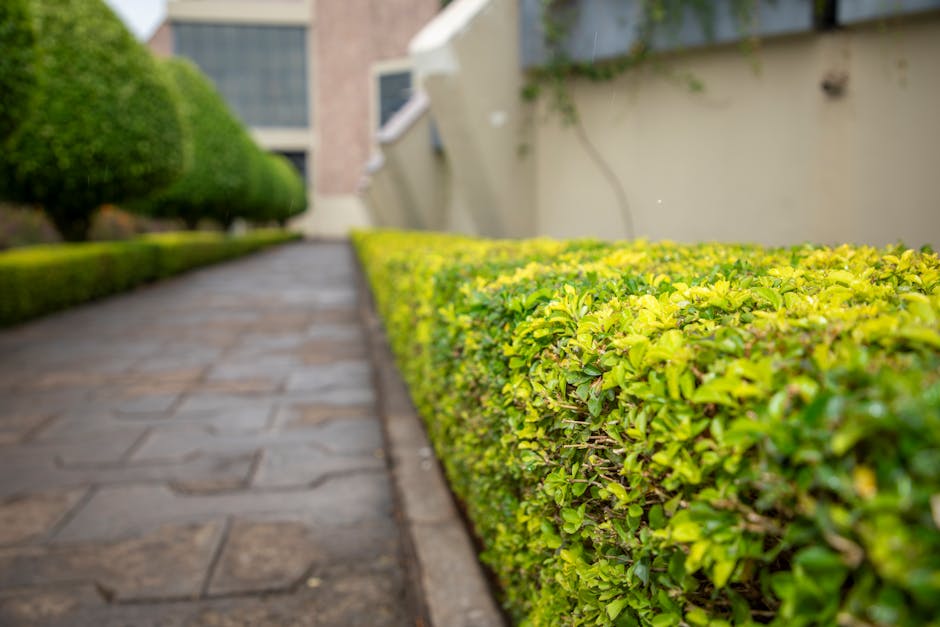
Common problems with garden maintenance in Seven Sisters flats

If you live in a flat in Seven Sisters, you already know the garden situation can be a bit of a mixed bag. One week the shared lawn looks neat enough; the next, weeds are creeping through the paving, bins are blocking access, and nobody seems quite sure whose job it is to deal with the hedge. The common problems with garden maintenance in Seven Sisters flats are rarely about one big failure. More often, they are a chain of small issues that build up quietly.
That is exactly why this topic matters. A flat's outdoor space can be a brilliant asset when it is looked after properly, but in communal or leasehold settings the same space can become a source of friction, safety issues, and avoidable cost. In this guide, we will unpack the most typical maintenance problems, explain why they happen, and show you the practical steps that make life easier. If you are weighing up support, it also helps to understand the services on offer, from routine garden maintenance to garden clearance and even more specific work like lawn mowing or hedge trimming.
Let's face it: flat gardens are rarely simple. They sit between private responsibility and shared use, which means the practical answer is usually less about perfection and more about keeping things safe, presentable, and manageable.
Why Common problems with garden maintenance in Seven Sisters flats Matters
When a flat garden is neglected, the effects show up in more than just appearance. Overgrown borders can hide litter, damp leaves can make paths slippery, and unchecked plants can quickly swallow drainage covers, fences, and access points. In a shared setting, those problems spread fast because one person's "I'll do it next weekend" becomes everyone else's nuisance by Monday morning.
There is also the human side. Shared outdoor space tends to carry a lot of unspoken expectations. A resident may expect the landlord, managing agent, or freeholder to handle everything. Another may assume the ground-floor tenant will do it. A third may think the council does the lot. In practice, garden maintenance in flats often falls into a grey area, and grey areas are where things get messy. Or, more accurately, muddy.
In Seven Sisters, where many properties have limited external space, narrow access, and a mix of old and newer building layouts, the impact of poor maintenance can be more noticeable than in a larger suburban garden. Even a small courtyard can feel neglected very quickly if leaves, self-seeded weeds, or broken planting are left too long.
Expert summary: The real issue is usually not "gardening" in the decorative sense. It is routine upkeep, clear responsibility, and preventing small jobs from becoming awkward, expensive ones.
That is why a proper maintenance plan matters. It helps with safety, appearance, neighbour relations, and long-term costs. A tidy garden is not just nicer to look at; it is easier to manage, easier to inspect, and less likely to create avoidable disputes.
How Common problems with garden maintenance in Seven Sisters flats Works
In flats, garden maintenance usually works through one of three patterns: a resident informally handles it, a managing agent arranges it, or a contractor is brought in for scheduled visits. The reality is often a blend of all three. Someone may cut the grass, another person may sweep the path, and then a third person deals with the hedge when it gets too much. That is not a system, to be fair. It is a patchwork.
The most common problems appear when the maintenance routine is unclear or inconsistent. For example:
- Shared responsibility is vague: nobody is fully sure who should water, prune, mow, or remove waste.
- Access is awkward: tools, bins, bikes, or locked gates make even simple work harder.
- Space is tight: small gardens need careful timing because one missed visit can make everything feel crowded.
- Residents have different standards: one person wants a neat, clipped finish; another prefers a more natural look.
- Work is seasonal: spring growth, summer watering, autumn leaf fall, and winter debris each create different pressure points.
In practical terms, good maintenance in a flat means doing the boring jobs consistently. Sweeping, cutting back, checking for hazards, emptying plant pots, keeping drainage clear, and making sure waste is removed properly. No drama. Just repetition, which is not glamorous, but it works.
If the garden includes timber structures or hard landscaping, the job becomes broader. A worn deck, for instance, may need checking for loose boards or algae buildup, and that is where decking services or wider landscaping support can become relevant rather than optional.
Key Benefits and Practical Advantages
The upside of keeping flat gardens under control is not abstract. You notice it immediately in how the space feels and how easily it can be used.
- Better safety: fewer slippery surfaces, fewer trip hazards, less hidden rubbish.
- Less neighbour tension: clear routines reduce arguments about who should have done what.
- Lower long-term cost: regular upkeep usually prevents expensive clearance work later.
- Improved kerb appeal: even a modest shared garden can lift the whole building's feel.
- Healthier planting: shrubs, lawns, and beds do better when they are trimmed and inspected regularly.
- Cleaner access: paths, side returns, and bins areas stay usable instead of becoming a jumble.
There is a quieter benefit too: the space gets used more. A tidy courtyard or communal garden invites people to sit outside with a coffee in the morning, or let children play for ten calm minutes after school. When a garden feels neglected, nobody uses it. And then it becomes even harder to care about it. Funny how that works.
For buildings with ongoing maintenance needs, it is often more efficient to view gardening as part of wider property care. If you want to see how the different services fit together, the services overview is a useful starting point.
Who This Is For and When It Makes Sense
This topic is relevant for a few different groups, and each one tends to experience the problems a little differently.
Ground-floor tenants and leaseholders: You may be dealing with messy access, overlooked planting beds, or a garden that feels half-private and half-shared. The challenge is often getting clarity before the problem grows.
Managing agents and landlords: Your concern is consistency. If the work is only done sporadically, you risk complaints, visible decline, and a whole lot of chasing people for the basics.
Residents' groups or informal committees: The issue is usually decision-making. Everyone wants the garden improved, but not everyone agrees on budget, style, or frequency.
Busy households: If you simply do not have time to maintain a shared outdoor area, it makes sense to get reliable help rather than trying to rescue it every few months in a panic.
Properties preparing for sale or letting: First impressions matter. A tired garden can drag down the feel of the whole flat, even if the inside is immaculate.
When does it make sense to ask for professional support? Usually when the same jobs keep getting ignored, when safety is becoming a concern, or when the amount of waste and overgrowth is clearly beyond a quick tidy-up. If that sounds familiar, you probably already know the answer.
Step-by-Step Guidance
If you are trying to get garden maintenance in a Seven Sisters flat back under control, a simple step-by-step approach helps more than trying to solve everything in one go.
- Identify who is responsible. Check the lease, building agreements, or internal arrangements where possible. If it is not clear, make a note of the gap rather than guessing.
- Walk the garden properly. Look for overgrowth, blocked drains, broken edging, slippery surfaces, dead plants, and waste build-up. Do this slowly. You will notice more than on a rushed glance.
- Separate urgent from non-urgent work. Anything affecting access, safety, or hygiene comes first. Decorative improvements can wait.
- Clear the obvious obstacles. Move stored items, sweep paths, remove dead material, and deal with litter before cutting anything back.
- Deal with plant health issues. Trim hedges, cut grass, remove invasive weeds, and prune back weak or crossing growth where appropriate.
- Arrange removal of waste. Green waste and bulky cuttings need proper disposal. If there is a lot of it, a garden clearance service may be the most sensible route.
- Set a maintenance rhythm. Weekly, fortnightly, or monthly visits may be enough depending on the size and use of the space.
- Review after a few weeks. A good garden plan is not static. If weeds are returning fast or the lawn is wearing badly, the schedule probably needs adjusting.
The important bit is sequence. People often start with planting or decoration, but in flats the smart move is nearly always structure first, beauty second. A garden with poor access or hidden rubbish under the shrubs is never going to stay neat for long.
Expert Tips for Better Results
Here are the things that usually make the biggest difference in real life, not just on paper.
- Keep maintenance small and regular. Short visits beat heroic weekend rescue jobs every time.
- Use the right cut-back timing. Some shrubs tolerate harder pruning better at certain points in the year, so avoid hacking everything down at once unless it genuinely needs it.
- Watch for hidden damage. Flats often have tight planting areas where pipes, paving, and walls sit close together. Roots and damp can be sneaky.
- Don't ignore the edges. Path borders, fence lines, and behind bins are where neglect tends to start.
- Choose low-fuss planting where possible. If the garden is shared and nobody wants to be the "plant parent," practical planting is your friend.
- Think about access before the work starts. Can tools reach the back? Can waste be moved without damaging communal areas? Simple question, big difference.
A small human detail matters here: if the garden is difficult to reach, people will put the job off. Every single time. That is not laziness so much as friction. Reduce the friction and half the battle is won.
If you are dealing with hedges that keep spilling over into walkways or windows, a dedicated hedge trimming visit is often more efficient than trying to tackle it as part of a general tidy-up.
Common Mistakes to Avoid
Most garden maintenance problems in flats come from a few predictable mistakes. Good news: they are avoidable.
- Leaving responsibility unclear: if nobody is assigned the task, nobody feels fully accountable.
- Only reacting when the garden looks bad: by then, the job is usually bigger and more expensive.
- Over-pruning or cutting at the wrong time: this can weaken plants or leave them looking bare for months.
- Ignoring waste removal: cuttings left in heaps make a tidy garden look unfinished straight away.
- Using the wrong approach for a small space: what works in a big private garden can be clumsy in a compact shared one.
- Forgetting safety: slippery paving, unstable steps, and broken edging are easy to miss until someone slips.
One of the more common slip-ups is assuming a quick tidy is enough after a period of neglect. It rarely is. If the space has become badly overgrown, you often need an initial deep clean followed by lighter ongoing upkeep. That sequencing matters more than people think.
And yes, if tree growth is affecting light, safety, or access, this is not the moment for guesswork. In those cases, specialist support like tree lopping and removal may be appropriate, depending on the situation and the tree itself.
Tools, Resources and Recommendations
For smaller flat gardens, a basic but sensible toolkit is usually enough. You do not need a shed full of gear, just the right bits.
- Hand shears or secateurs for light trimming
- A sturdy broom or stiff brush for paths and patios
- Gloves that actually fit properly
- A small rake for leaves and loose debris
- Watering cans or hoses, where access allows
- Weed removal tools for paving joints and borders
- Waste bags or containers for green waste collection
That said, tools alone do not solve a maintenance problem. The bigger resource is a clear plan. A simple monthly calendar, a shared reminder, or a standing contractor visit can save far more time than buying extra gadgets. Garden tools are lovely, in fairness, but they do not automatically create discipline.
For residents comparing support options, it can help to review pricing and quotes alongside the scope of work, because the cheapest option is not always the best value if it misses waste removal, trimming, or follow-up visits.
Law, Compliance, Standards, or Best Practice
Flat gardens bring practical responsibilities that may be governed by leases, tenancy agreements, building rules, or management arrangements. The exact setup varies, so it is wise to check the relevant documents rather than rely on habit or verbal assumptions.
From a best-practice point of view, a few principles stand out:
- Keep access routes clear: communal paths, gates, and side entrances should not be blocked by growth or stored items.
- Manage trip and slip hazards: wet leaves, moss, loose paving, and uneven edges need attention.
- Dispose of waste responsibly: green waste should be handled in a way that suits the property and local arrangements.
- Use suitable methods for the site: a compact courtyard requires different handling from a larger shared lawn.
- Record decisions where possible: especially if multiple residents share responsibility or costs.
There is also a duty of care aspect in shared settings. If a garden becomes unsafe and nobody addresses it, the issue may move beyond aesthetics into liability and disputes. That does not mean every leaf is a legal matter, obviously, but ignored hazards can become one if someone gets hurt or access is blocked.
For contractors and property managers, checking health and safety policy, insurance and safety, and recycling and sustainability information can be a sensible part of due diligence before work starts.
Options, Methods, or Comparison Table
There is no single correct way to handle a flat garden. The right option depends on size, access, budget, and how much the residents actually want to manage themselves.
| Approach | Best for | Pros | Limitations |
|---|---|---|---|
| DIY resident upkeep | Very small gardens with one committed person | Low immediate cost, flexible timing | Can become inconsistent, easy to miss waste and safety issues |
| Informal shared arrangement | Friendly buildings with active residents | Shared effort, low overhead | Works only if everyone stays engaged, which is not always realistic |
| Scheduled professional maintenance | Shared gardens, busy households, managed flats | Consistency, tidy finish, fewer disputes | Ongoing cost, needs clear scope and frequency |
| One-off clearance then routine care | Overgrown or neglected spaces | Resets the garden quickly, easier to maintain afterwards | Initial workload can be larger than expected |
In practice, the strongest approach for many Seven Sisters flats is a combination: clear the problem properly once, then maintain the space on a schedule that matches reality. Not wishful thinking. Reality.
Case Study or Real-World Example
Here is a very typical scenario. A small ground-floor flat has a shared rear garden accessed through a narrow side path. At first, the space is manageable enough. Then spring growth arrives. The hedge starts leaning into the path, weeds appear between the paving slabs, and a couple of old plant pots collect rainwater and dead leaves. Nothing dramatic, just a slow drift into mess.
By early summer, residents are stepping around the same patch every day. The bin storage area feels cramped. Someone notices a slippery patch after rain. Another person complains that the garden "never gets done." Meanwhile, no one has a clear record of when it was last cut back.
The fix is not complicated, but it does need a plan. First, remove the waste and clear access. Then cut back the hedge, lift the weeds from paving, check the edging, and mow or tidy the lawn if there is one. After that, agree a simple maintenance rhythm. In many buildings, that means little and often. It sounds almost too basic, but honestly, that is what works.
What changed most in this kind of situation was not the plants. It was confidence. Once people could see a routine, the space stopped feeling like a problem hanging over everyone.
Practical Checklist
Use this checklist if you are trying to get a flat garden back under control or keep it there.
- Confirm who is responsible for maintenance
- Inspect access routes, paving, and edges for hazards
- Remove litter, fallen branches, and loose debris
- Check for weeds in borders, joints, and hard surfaces
- Trim overgrown hedges and shrubs carefully
- Cut grass or arrange regular mowing if there is a lawn
- Remove green waste promptly
- Inspect decking, planters, and boundary areas for wear
- Set a realistic maintenance schedule
- Keep a simple note of what was done and when
Simple, yes. But very effective when you actually stick to it.
Conclusion
The common problems with garden maintenance in Seven Sisters flats usually come down to unclear responsibility, awkward access, shared use, and maintenance that happens too late rather than too often. Once you recognise those patterns, the whole thing becomes easier to manage. You do not need a perfect garden. You need a garden that is safe, tidy, and realistic for the people using it.
The smartest approach is usually to clear the space properly, decide who is doing what, and keep the work regular enough that the problems never have a chance to pile up again. Small spaces reward consistency. Big speeches, not so much.
If your flat garden is becoming harder to maintain than it should be, the next sensible step is to get the scope reviewed and build a plan that fits the property rather than forcing the property to fit the plan.
Get a free quote today and see how much you can save.
When the garden feels under control, the whole building feels calmer. That is worth a lot more than people sometimes realise.
Frequently Asked Questions
What are the most common problems with garden maintenance in Seven Sisters flats?
The most common issues are unclear responsibility, overgrown hedges, missed mowing, weeds in paving, blocked access routes, and poor waste removal. In shared flat settings, those small issues build up quickly.
Why do flat gardens become messy so fast?
Because they are often shared, used by several people, and maintained inconsistently. One missed visit can be enough for weeds, litter, or cuttings to make the whole area look neglected.
Who is usually responsible for garden maintenance in a flat?
That depends on the lease, tenancy, or building arrangement. In some places the landlord or managing agent is responsible; in others, residents share the task. It is best to check the documents rather than assume.
Is a one-off clearance enough for a neglected flat garden?
Usually not on its own. A clearance can reset the space, but without a follow-up schedule the same problems tend to return. Ongoing maintenance is what keeps it manageable.
How often should a shared flat garden be maintained?
It depends on the size of the garden, the planting, and how much it is used. Many small shared spaces need light but regular attention rather than occasional heavy work.
What should be done first if the garden is badly overgrown?
Start with safety and access. Clear paths, remove waste, and deal with the most obstructive growth first. Then move on to mowing, trimming, and finer tidy-up work.
Can I handle garden maintenance myself in a flat building?
Yes, if the space is small and you have clear permission and enough time. But if the garden is shared, hard to access, or already overgrown, professional help may be more practical.
What are the warning signs that the garden needs professional help?
If the same jobs keep getting missed, if access is becoming difficult, if waste is building up, or if there are safety concerns such as slippery paths or unstable edges, it is probably time to get help.
Do decking and hard landscaping need maintenance too?
Yes. Decking, paving, and other hard surfaces can become slippery, damaged, or cluttered just like planting areas. They should be checked as part of the overall garden upkeep.
How can I reduce disputes about garden upkeep in a shared flat?
Set a clear routine, agree who does what, and keep a simple record. Disputes usually shrink when expectations are made practical instead of vague.
What is the difference between garden maintenance and garden clearance?
Garden maintenance is the regular upkeep that keeps a space tidy over time. Garden clearance is the heavier work needed when a garden has become cluttered, overgrown, or neglected.
How do I know whether to book mowing, hedge trimming, or a full maintenance visit?
If only one element is out of control, a specific service may be enough. If the whole space needs attention, a fuller maintenance visit is usually the better choice because it deals with several issues in one go.
For next steps, it is often helpful to compare the scope of work with the full services overview and then decide what the garden actually needs, not just what looks most urgent today.