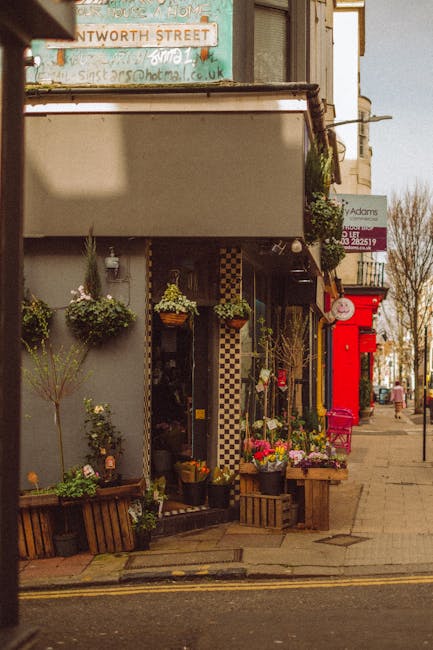
Market shopfront planting by Seven Sisters gardeners
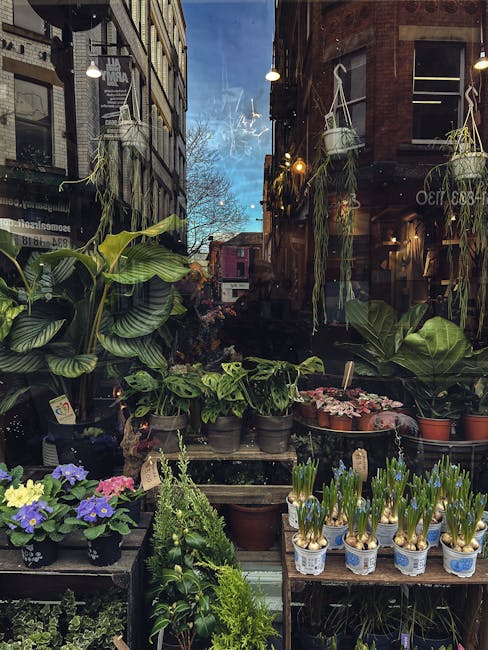
If your market shopfront looks a little flat, the right planting can change everything. It softens hard edges, draws the eye, and makes a stall or shopfront feel cared for before anyone has even read the sign. Market shopfront planting by Seven Sisters gardeners is about more than a few pots by the door; it is a practical way to improve kerb appeal, support your brand, and keep the space looking fresh through busy trading days.
In a market setting, that matters. Customers walk past fast. Weather changes quickly. Footfall is constant, and the planting has to work hard without becoming a maintenance headache. This guide explains what good shopfront planting involves, how it is usually planned, which plants and containers tend to perform best, and what to watch out for if you want the display to last beyond the first week. To be fair, that's where a lot of people get caught out.
We'll also look at seasonal choices, safety, maintenance routines, and how planting can fit neatly alongside broader outdoor services such as garden maintenance, landscaping, and recycling and sustainability. If you are deciding whether it is worth doing at all, or how to do it properly, you are in the right place.
- Why Market shopfront planting by Seven Sisters gardeners Matters
- How Market shopfront planting by Seven Sisters gardeners Works
- Key Benefits and Practical Advantages
- Who This Is For and When It Makes Sense
- Step-by-Step Guidance
- Expert Tips for Better Results
- Common Mistakes to Avoid
- Tools, Resources and Recommendations
- Law, Compliance, Standards, or Best Practice
- Options, Methods, or Comparison Table
- Case Study or Real-World Example
- Practical Checklist
- Conclusion
- Frequently Asked Questions
Why Market shopfront planting by Seven Sisters gardeners Matters
Market shopfront planting earns its keep in a few different ways. First, it creates a stronger first impression. People tend to trust places that look looked after. A tidy planter with healthy foliage, a few seasonal flowers, or a neat row of evergreen structure can make a frontage feel welcoming rather than temporary.
Second, planting helps a shopfront feel distinct in a busy market environment. Most market settings share the same pressure points: small footprints, tight walkways, mixed weather exposure, and a lot of visual noise. Plants help break that up. They give the eye somewhere calm to land. Sometimes that calm is exactly what makes a trader stand out.
Third, the right planting can do a bit of subtle practical work. It can guide foot traffic, frame entrances, hide awkward bins or barriers, and create a more polished edge around signing or display areas. Used properly, it supports the business rather than competing with it.
Expert summary: In market settings, planting works best when it is attractive, sturdy, and low-fuss. The best displays are the ones that still look good on a wet Tuesday afternoon, not just on installation day.
Seven Sisters gardeners understand that market shopfronts rarely behave like neat domestic gardens. There are delivery trolleys, people brushing past, reflected heat from hard surfaces, and limited water access at times. The planting has to suit that reality. That is why planning matters so much more than just buying plants that look nice in a pot.
How Market shopfront planting by Seven Sisters gardeners Works
Good shopfront planting usually starts with the space, not the plant. A gardener will look at sunlight, shade, exposure to wind, how wide the frontage is, where customers naturally pause, and what kind of maintenance the business can realistically manage. That last part gets overlooked surprisingly often.
From there, the planting approach is built around the site conditions. A sheltered frontage might suit softer seasonal displays. A more exposed market edge may need tougher evergreen structure, heavier containers, and plants that do not sulk after the first gust. Containers are often the main delivery method because they give flexibility, are easier to move, and work well where there is little or no ground bed.
The process usually looks something like this:
- Assess the frontage and trading patterns.
- Decide what the planting should achieve: branding, welcome, screening, colour, or all four.
- Choose containers, compost, plants, and any support materials.
- Install the scheme with access and safety in mind.
- Set a maintenance routine for watering, deadheading, trimming, and replacements.
If the frontage already has surrounding outdoor work that needs attention, a broader service plan may help. For example, a business that wants a cleaner overall look might combine planting with garden clearance or tidy-up work from services overview rather than treating the front display as a one-off. That usually makes the result feel more coherent.
There is also a seasonal rhythm to it. Spring and early summer often call for brighter, fuller planting. Late autumn and winter usually need more structure, more evergreens, and less fragile materials. The display should never feel like it was designed only for one month. Honestly, that's a rookie error and it shows.
Key Benefits and Practical Advantages
The benefits of market shopfront planting are easy to state and harder to fake. When it is done well, you notice the difference straight away.
- Better curb appeal: A planted frontage instantly softens hard surfaces and makes the space feel cared for.
- Stronger branding: Colours, textures, and container style can support the look and feel of your business.
- Improved customer welcome: People often feel more comfortable entering a place that looks thoughtful and maintained.
- Seasonal freshness: Rotating planting keeps the frontage from looking stale or forgotten.
- Flexibility: Containers and modular planting can be adjusted as the business changes.
- Practical screening: Planting can help disguise utility items or awkward edges without building hard barriers.
There is another benefit that is a bit less obvious: planting can change how a space is used. If a shopfront has a dull corner or an empty edge, a well-placed planter often makes that corner feel intentional. That can improve flow. People stop leaning on the wrong spot. Sightlines become clearer. Small things, but they add up.
And for businesses that want to signal quality without shouting about it, planting can do that quietly. You do not need a huge floral display. Sometimes a restrained, tidy arrangement does more work than a bright, overpacked one.
Who This Is For and When It Makes Sense
Market shopfront planting makes sense for a wide range of businesses, but it is especially useful for places where the exterior is part of the sale. If customers are choosing between similar stalls, cafes, kiosks, or retail frontages, the planting can tip the balance in your favour.
It is a strong option if you:
- want to improve first impressions quickly
- have a frontage that feels plain, harsh, or unfinished
- need a display that works in a busy pedestrian setting
- want more seasonal colour without major structural changes
- have limited ground space and need container-based planting
- need the frontage to look good with manageable upkeep
It is also useful when you are already investing in wider outdoor improvements. For example, a trader upgrading the frontage may be looking at landscape gardening for a more joined-up scheme, or a more structural refresh through hedge trimming if there are screening plants nearby. Those are not always the same job, but they often sit in the same conversation.
When does it not make sense? If the site is exposed to constant knock damage, has no maintenance capacity at all, or cannot be kept watered properly, then a very ambitious planting scheme may be more trouble than it is worth. In those cases, simpler and tougher is usually wiser. Sometimes less is more. Fairly often, actually.
Step-by-Step Guidance
If you are planning shopfront planting, it helps to treat it like a small project rather than a decorative afterthought. The best displays are built in a sensible order.
1. Start with the purpose
Ask what the planting needs to achieve. Is it mainly visual impact? A softer entrance? Screening? A more premium feel? A bit of all of them? The answer influences plant choice, container size, and layout. A display meant to attract attention needs bolder shape. A frontage meant to feel calm and refined needs restraint.
2. Measure the space properly
It sounds basic, but rough guesswork leads to clutter. Measure widths, depths, door swing areas, and any pinch points where customers pass. Leave enough room for bags, prams, deliveries, and emergency access. A lovely planter is not lovely anymore if people keep bumping into it.
3. Check light, wind, and watering realities
Observe the site at different times of day if possible. Morning shade can be very different from afternoon sun bouncing off glass or metal. Wind tunnels are common around market fronts. If water access is awkward, choose plants that will not become drama queens the moment it gets warm.
4. Choose the planting style
Common approaches include seasonal bedding, evergreen structure, mixed containers, herbs for food-led businesses, or foliage-led planting with just a few flowering accents. The right style depends on how much maintenance you want and how often you want to refresh the look.
5. Install with safety in mind
Containers should sit securely. Paths should remain open. Drainage should be considered so water does not pool and make surfaces slippery. If the frontage is on a busy market route, heavier containers are often better because they are less likely to move or tip.
6. Set a maintenance rhythm
Watering, deadheading, leaf tidy-up, and occasional replacement are part of the deal. A display that looks great in the first fortnight can slide downhill quickly if no one keeps an eye on it. The good news is that a simple routine usually works well if it is followed consistently.
Expert Tips for Better Results
Little decisions make a big difference here. In our experience, the most successful market frontages are the ones where the planting feels intentional, not crowded.
- Use repeat structure: Repeating the same pot shape or plant rhythm helps a frontage look ordered, even if the plants themselves are varied.
- Mix texture, not just colour: Foliage contrast often lasts longer visually than a purely flower-led scheme.
- Keep height in proportion: Tall planting can be useful, but not if it blocks signs or makes the front feel closed off.
- Choose sturdy species first: If you are torn between something pretty and something hardy, be honest about the site conditions. Pretty can wait.
- Plan for replacement: A few spare plants or a refresh plan saves a frontage from looking tired when one pot fails.
One practical trick is to use containers in odd numbers or mirrored pairs, depending on the frontage. Odd-number groupings often feel more natural. Paired arrangements feel more formal and can work well for entrances. There is no single rule, just what suits the space. Slightly annoying, perhaps, but that is design for you.
Another tip: think about how the planting looks at street level, not just from a distance. A customer standing two feet away notices weeds, broken stems, dried compost on the pot rim, and leaves caught in corners. That close-up view matters more than people expect.
If the front area is also part of a broader upkeep schedule, combining planting with regular lawn mowing or other routine care can keep the whole exterior feeling in step. The visual effect is better when everything is pulling in the same direction.
Common Mistakes to Avoid
Most mistakes come from trying to make the display look good too quickly, or from underestimating how exposed a market frontage can be. The first week is easy. Month three is where reality shows up.
- Choosing plants for looks alone: A plant may look perfect in a nursery but fail fast in wind, shade, or neglect.
- Using containers that are too small: Small pots dry out quickly and look cluttered almost immediately.
- Overfilling the frontage: Too many planters can block movement and make the site feel cramped.
- Ignoring maintenance access: If nobody can water or tidy the display easily, it will decline.
- Forgetting drainage: Waterlogged containers are a mess, and sometimes a slippery one too.
- Using fragile decorative items: Pretty accessories do not always survive a busy market morning.
There is a subtler mistake too: making the planting fight the business rather than support it. If the frontage sells fresh produce, for instance, the planting should feel honest and practical. If the business is more premium, the display should be cleaner and more refined. The planting should belong there.
And yes, sometimes a scheme just needs to breathe a bit. People pack plants in because they want instant impact. But crowded displays age badly. They start to look stressed, and nobody wants stressed-looking plants outside a shop. Bit awkward, that.
Tools, Resources and Recommendations
You do not need a van full of specialist kit to keep a market frontage looking sharp, but the right basics help a lot. Practical planting is usually easier when the tools are simple, durable, and easy to access.
| Option | Best for | Strengths | Limitations |
|---|---|---|---|
| Seasonal bedding | Colour and quick visual lift | Bright, flexible, easy to refresh | Needs more frequent replacement and care |
| Evergreen containers | Year-round structure | Reliable, tidy, lower drama | Less seasonal colour unless mixed carefully |
| Mixed foliage planting | Balanced, modern frontage | Textural, long-lasting, adaptable | Needs design thought to avoid looking sparse |
| Herb-led displays | Food, cafe, or market traders | Useful, aromatic, customer-friendly | Can become patchy without regular trimming |
Useful tools and supplies commonly include watering cans or hose access, secateurs, compost, mulch, sturdy gloves, and a way to stabilise containers. For a live frontage, a small maintenance kit is often enough, provided someone actually uses it. That sounds obvious. It still gets forgotten.
For businesses wanting a cleaner transition between planting and the rest of the site, services like decking services can help when the frontage includes a raised or framed customer area. The planting should sit comfortably with any hard landscaping rather than looking bolted on at the end.
If you are thinking about ongoing cost control, the pricing and quotes page can be a sensible next stop because it helps frame the work as an ongoing service rather than a one-off purchase. A shopfront planted once and never maintained rarely stays impressive for long.
Law, Compliance, Standards, or Best Practice
For market shopfront planting, compliance is usually about safety, access, and responsible upkeep rather than complicated legal complexity. Still, it is wise to treat the frontage as a working space, not just a decorative corner.
Key best-practice points include keeping entrances clear, not obstructing pedestrian movement, avoiding trip hazards from pots or irrigation, and making sure water, soil, and debris do not create slip risks. If the frontage is near shared access routes, a careful layout matters even more. In busy London settings, those small details are not small at all.
Businesses should also be mindful of general duties around keeping premises tidy, maintaining safe access, and handling waste responsibly. If plants are replaced or cut back, green waste should be managed properly. A more sustainable routine often includes reuse where possible, composting where suitable, and sensible disposal when necessary. The team's approach to recycling and sustainability can be a helpful benchmark for that side of the work.
When contractors are involved, it is reasonable to ask about insurance, working practices, and safety procedures. The site's insurance and safety and health and safety policy pages show the kind of standards a careful operator should be able to discuss clearly. You do not need to turn it into a legal seminar. You do need to know the work will be done properly.
Accessibility should not be forgotten either. A planted frontage should not narrow paths or create awkward obstacles for people with mobility needs, buggies, or deliveries. That is just good practice, and it makes commercial sense as well. If customers are forced to sidestep planters like they are playing obstacle golf, something has gone wrong.
Options, Methods, or Comparison Table
Different planting methods suit different market fronts. The right choice depends on how exposed the site is, how much upkeep is realistic, and what kind of brand impression you want to make.
| Method | Best for | Pros | Watch-outs |
|---|---|---|---|
| Single statement planters | Small fronts and tighter budgets | Simple, clean, easy to reposition | Can feel sparse if undersized |
| Clustered container planting | More visual impact | Creates depth and movement | Needs enough space and careful spacing |
| Seasonal rotation | Businesses wanting freshness all year | Always looks current | Requires regular refresh and planning |
| Evergreen framework with accents | Reliable year-round appearance | Low-fuss, steady, professional | Can look too plain if never updated |
If the market frontage is part of a larger public-facing area, a wider landscape gardening approach may suit better than isolated pots. If the business is dealing with overgrowth, clutter, or a site that needs a fresh start, then garden clearance may need to come first. There is no point planting into a mess and hoping for the best.
Case Study or Real-World Example
Here is a realistic example. A small market trader with a narrow front display wanted the frontage to feel more inviting without blocking foot traffic. The space got strong morning sun, then a bit of reflected heat by midday, and a light breeze down the walkway most afternoons. Not ideal, but workable.
The chosen approach used three heavy containers rather than lots of smaller ones. Two were placed either side of the entrance, and one sat slightly back to soften the signage area without hiding it. Evergreen structure formed the base, with seasonal colour rotated through the warmer months. The plants were chosen for resilience first, then appearance second, which is usually the right order in a busy market.
The result was not dramatic in a showy sense. It was better than that. It looked deliberate. Customers could still move freely, the business looked more established, and the frontage stopped feeling like an afterthought. The owners also found that the display was easier to keep neat because it was simple enough to maintain quickly before opening. That counts for a lot when the day starts early and the coffee has not quite kicked in yet.
The main lesson? A good scheme does not need to be complicated. It needs to suit the site, fit the workload, and hold up when the weather turns a bit grumpy. Which, in the UK, is hardly rare.
Practical Checklist
Use this checklist before committing to a planting scheme for a market shopfront.
- Have you measured the frontage and left enough room for customers to pass safely?
- Do the plants suit the light, wind, and watering conditions of the site?
- Are the containers sturdy enough for a busy public-facing space?
- Will the display still work in winter, not just in summer?
- Is there a realistic plan for watering, tidying, and replacement?
- Does the planting support the business style and signage?
- Could any part of the scheme become a trip or slip hazard?
- Is waste disposal and refresh work planned responsibly?
- Have you avoided overcrowding the frontage?
- Would the display still look acceptable after a rainy week and a busy market morning?
If you can tick most of those off, you are in a much better place than most first-time schemes. No need to overthink every leaf, but do think through the basics. The basics are usually what saves the day.
Conclusion
Market shopfront planting by Seven Sisters gardeners is really about making a busy, practical frontage feel more inviting without making life harder for the business behind it. When the planting matches the space, the weather exposure, and the level of upkeep you can actually manage, it becomes one of the most cost-effective visual improvements you can make.
Done well, it adds character, clarity, and confidence. It helps people notice the place, trust the place, and remember the place. And in a market environment, that is no small thing. The best results usually come from sensible plant choices, sturdy containers, and a maintenance rhythm that keeps things looking cared for rather than merely decorated.
If you are comparing options or planning an update, it is worth looking at the frontage as a whole rather than as an isolated potting job. That way the result feels joined up, and far more durable. A little planning goes a long way here. Really, it does.
Get a free quote today and see how much you can save.
And if you are ready to give the frontage a calmer, smarter finish, it may be the nicest small change you make all year.
Frequently Asked Questions
What is market shopfront planting?
It is the use of plants, containers, and simple planting design to improve the appearance and feel of a market-facing shopfront or stall entrance. The aim is usually to make the space more welcoming, more branded, and easier to keep tidy.
How often does market shopfront planting need maintenance?
That depends on the style of planting, the weather, and the location. Seasonal displays usually need more frequent attention, while evergreen container schemes can be lower maintenance. Watering, trimming, and quick tidies tend to be the regular jobs.
Which plants work best for a busy market frontage?
Hardier plants usually do best, especially those that can cope with wind, heat reflection, and occasional knock damage. In many cases, a mix of evergreen structure and seasonal colour gives the best balance.
Can planting help a shopfront look more premium?
Yes, absolutely. A neat, well-chosen planting scheme can make a frontage feel more established and more polished. It does not need to be extravagant. Often a clean, restrained display works best.
Is container planting better than planting directly in the ground?
For many market shopfronts, yes. Containers offer flexibility, are easier to move, and work well when ground space is limited or not suitable for planting. They also let you change the layout more easily if the business evolves.
How do I stop my frontage from looking cluttered?
Keep the number of planters manageable, use repeating shapes or colours, and leave enough clear space for movement. A few well-placed containers usually look better than lots of small ones packed together.
Does shopfront planting work in winter?
It can, provided the scheme is designed with winter in mind. Evergreen structure, hardy foliage, and thoughtful container choice help a frontage stay attractive through colder months when flowers are less reliable.
What should I ask a gardener before starting the work?
Ask about plant suitability, maintenance needs, watering access, safety around public walkways, and how the scheme will hold up across the seasons. It is also sensible to ask about insurance and working practices.
Can shopfront planting improve customer flow?
Yes, if it is designed carefully. Planting can guide people, soften awkward edges, and make entrances more obvious. But it should never block access or create a bottleneck.
How do I keep planting looking fresh without constant replacement?
Use a base of sturdy plants, add a few seasonal accents, and build a simple routine for watering and tidying. Small maintenance jobs done regularly are what keep a display looking sharp. Nothing glamorous, just consistent.
Is market shopfront planting expensive?
It can be adapted to different budgets. Costs depend on container quality, plant choice, size of frontage, and whether the planting is seasonal or longer term. A good quote should reflect the actual site conditions rather than a one-size-fits-all approach.
What is the biggest mistake people make with frontage planting?
Picking plants that look good for the first week but do not suit the site. The second biggest mistake is not planning maintenance. A display only stays attractive if somebody is willing to look after it.
Should planting be part of a wider exterior plan?
Often, yes. The best results usually come when planting works alongside the rest of the frontage, including paving, screening, signage, and general upkeep. That gives the whole space a more coherent finish.